Home / Caring for Stone Countertops in Temecula Homes
Caring for Stone Countertops in Temecula Homes
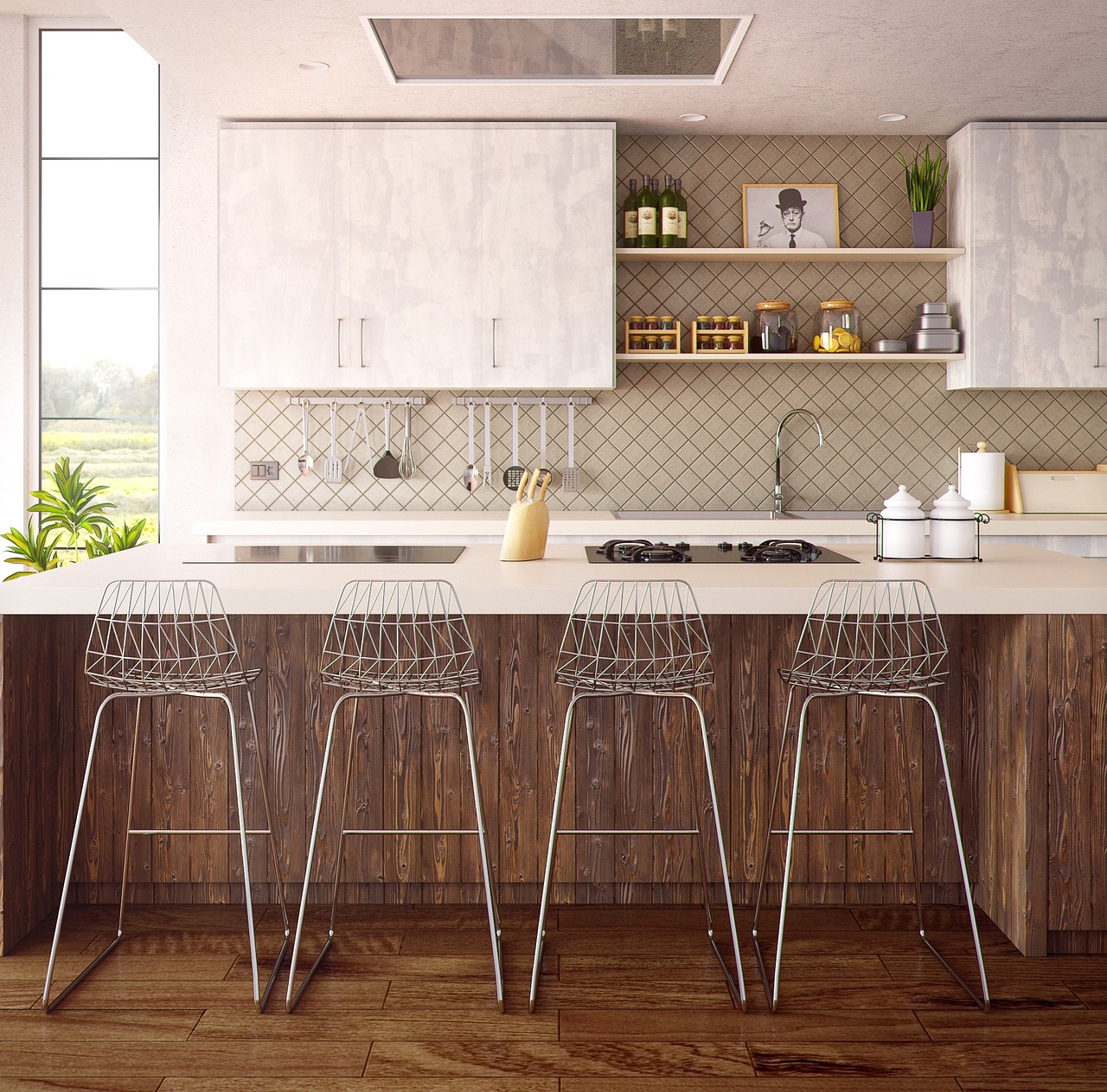
The short answer: stone counters in Temecula need less scrubbing and more attention to water than most owners expect. The valley's tap water carries a noticeable mineral load, the summer air is dry enough to evaporate a puddle in minutes, and that combination leaves chalky film and white spots around the faucet far more often than it leaves true stains. A care routine built around wiping water away, choosing gentle cleaners and testing the seal on a schedule will keep granite, quartzite, marble and similar natural stone looking new for decades.
What the local water does to stone
Much of the water delivered to homes across southwest Riverside County is imported and then blended with local groundwater, and both sources tend to be hard. Hard water simply means dissolved calcium and magnesium. When a splash of it dries on a counter, the water leaves and the minerals stay behind as a faint white ring. On a dark polished granite, those rings show up quickly. On a light honed marble, they hide for a while and then appear as a dull haze that does not wipe off with a dry cloth.
The faucet zone takes the worst of it. The base of the faucet, the strip of stone between the sink and the backsplash, and the area under a soap dispenser all stay damp for hours after the dishes are done. In a Temecula summer, with afternoon highs often well into the nineties, that dampness evaporates fast, which concentrates minerals into crusty deposits along the faucet base. Owners sometimes mistake that crust for damage to the stone. In most cases, it is a mineral layer sitting on top of a perfectly sound surface.
A daily routine that prevents most problems
The most effective habit is also the cheapest: dry the faucet area after the last use of the day. A soft microfiber towel kept near the sink takes a few seconds and stops minerals from building up in the first place. Beyond that, a light daily routine looks like this:
- Wipe crumbs and spills with warm water and a soft cloth. Most days, nothing more is needed.
- Use a pH neutral cleaner made for natural stone when grease or sticky residue needs more than water. Mild dish soap diluted heavily in warm water also works, as long as it is rinsed so no soap film remains.
- Avoid vinegar, lemon based sprays, bathroom cleaners and anything sold for hard water removal on glass or tile. Those products work by dissolving minerals, and calcite based stones such as marble, limestone and travertine are made of the very minerals the acid attacks.
- Skip abrasive powders and green scrub pads. They can dull a polished finish, especially on softer stones.
- Use trivets for hot pans and cutting boards for knives. Granite tolerates heat well, but sudden heat on a cold slab near a seam or cutout can stress the stone, and resin used in some slabs can scorch.
Removing mineral film safely
When the white haze has already formed, the right approach depends on the stone. On granite and true quartzite, both of which are largely silicate minerals, the film can usually be lifted with a plastic scraper held flat and a stone safe cleaner, followed by buffing dry. A soft nylon brush helps around the faucet base where the deposit forms a ridge.
On marble, limestone and travertine, take more care. Avoid any acidic remover entirely. Instead, use a damp cloth with a neutral cleaner, a plastic scraper for raised deposits, and patience. If the haze remains after cleaning, the stone may be etched rather than coated. Etching is a change in the surface itself, where acid has dissolved a thin layer and left a dull patch. A coating sits on top and feels slightly rough; an etch feels smooth but looks dull. Etches are corrected by polishing, not cleaning, and deep ones are a job for a stone restoration professional.
One simple test separates the two: run a fingernail across the spot. If the nail catches a crust, it is a deposit. If the surface feels the same as the surrounding stone but looks different, it is an etch.
Sealing in a hot, dry climate
Most natural stone is porous to some degree, and a penetrating sealant fills the tiny pores just below the surface so liquids bead up instead of soaking in. Sealing does not make stone stain proof, and it does nothing to prevent etching, but it buys time to wipe up oil, wine or coffee before it leaves a mark.
Temecula's climate affects sealing in two ways. First, high summer heat and strong sun through kitchen windows can shorten the life of some sealers on counters that get direct afternoon light, so a counter near a west facing window may need attention sooner than one on an interior wall. Second, the dry air makes sealer cure faster on the surface, which can trap excess product if it is not buffed off promptly. Follow the product directions closely, work in sections, and wipe away any residue within the time stated on the label.
How often to reseal varies widely by stone. Dense granites may go years between applications, while lighter granites, marble and some quartzites need it more often. Rather than following a calendar, test:
- Place a few drops of water in several spots, including near the sink and in a low traffic corner.
- Wait about fifteen minutes.
- If the water still beads and the stone underneath stays the same color, the seal is working.
- If the stone darkens under the drops, it is absorbing water and is ready for a fresh coat.
The sink area usually fails first, because it sees the most water and the most scrubbing. Many owners reseal just that zone more often than the rest of the counter.
Seasonal checks worth adding
Two times of year deserve a quick look. In the fall, after the Santa Ana winds have blown hot, very dry air through the valley, inspect the caulk joint where the counter meets the backsplash and the bead around an undermount sink. Silicone dries and shrinks over time, and a gap there lets water reach the cabinet below. Replacing a tired bead of caulk is simple and prevents swollen cabinet bottoms.
In late spring, when the marine layer rolls in overnight and burns off by midday, check the faucet base and any stone windowsills for mold or dark staining in the caulk. The brief humidity can encourage growth in joints that stay damp, especially in homes that rely on evaporative coolers.
Care differences by stone type
Granite
Granite is the most common natural stone in Temecula and Murrieta kitchens, particularly in homes built in the Redhawk and Paloma del Sol areas during the 1990s and 2000s. It is hard and resists acid, so mineral film is its main cosmetic issue. Darker granites show water spots more than lighter ones.
Quartzite
True quartzite is very hard and generally acid resistant, but some stones sold under that name are actually softer marble or dolomite. If a quartzite counter etches from lemon juice, it may be one of those, and it should be cared for like marble.
Marble and limestone
These stones are popular in remodels inspired by the tasting rooms of Temecula Valley Wine Country, where a honed, slightly worn look is part of the charm. They etch easily from wine, citrus and vinegar, so owners who choose them usually accept a patina over time. A honed finish hides etching better than a polished one.
Soapstone
Soapstone is dense and does not need sealing, but it darkens with use. Many owners apply mineral oil to even out the color, and light scratches can be sanded away.
When to call a professional
Daily care handles most issues, but some problems call for a stone professional: a stain that returns after poultice treatment, etching across a large area, a polished finish that has gone dull overall, or a crack that seems to be widening. Professionals can rehone and repolish a counter in place, remove deep stains, and apply sealer more thoroughly than a homeowner can with a spray bottle.
For most households in Temecula, good stone care comes down to three habits: keep the faucet zone dry, use only cleaners that are neutral and gentle, and let the water drop test decide when to reseal. With those in place, the valley's hard water and dry heat become minor nuisances rather than reasons to replace a counter.